In this article
- How many cars fail the MOT?
- What are the most common MOT failures?
- Lights and electrics: the biggest category, and often the cheapest fix
- Brakes, tyres and suspension: where the dangerous faults hide
- Emissions, smoke and the engine warning light
- Dangerous, major, minor, advisory: what do they mean?
- What happens if your car fails? Retests and repairs in Bristol
- A 10-minute check before your MOT
The short version
- More than a quarter of cars fail first time: 28.08% in 2024-25 and 26.75% in April to June 2026.
- Lights and electrics are the biggest failing category, and often the cheapest fix.
- Tyres make up about 60% of all dangerous defects. Brakes make up about 29%.
- A car fails if the result lists a dangerous or major defect. Minor and advisory items don't fail it.
- Fix the fault, then return within 10 working days for a partial retest.
How many cars fail the MOT?
More than a quarter fail first time. In 2024-25, 28.08% of cars, vans and passenger vehicles with up to 12 seats failed their first test. In April to June 2026, the latest quarter, it was 26.75%.
28.08%
failed first time in 2024-25, from 33,128,617 tests
26.75%
failed first time in April to June 2026
2.44
defects on the average failing test (2024-25)
That's about 9.3 million first-time fails in 2024-25. Of those, 1,793,797 were put right at the test station and passed, which leaves a final fail rate of 22.67%. About 7.70% of tests found at least one dangerous defect.
October to December is the worst time to test. That quarter had the highest first-time failure rate in each of the last three full years. The figures were 29.17% in 2022-23, 29.53% in 2023-24 and 28.89% in 2024-25. The DVSA doesn't give a reason.
What are the most common MOT failures?
Lamps, reflectors and electrical equipment come top, followed by suspension, brakes and tyres. The DVSA's figures show the share of all tests with at least one failing defect in each category.
| Category | 2024-25 | April to June 2026 |
|---|---|---|
| Lamps, reflectors and electrical equipment | 10.89% | 9.98% |
| Suspension | 8.73% | 8.21% |
| Brakes | 6.63% | 5.83% |
| Tyres | 6.39% | 6.55% |
| Visibility (windscreen, wipers, mirrors) | 4.54% | 4.40% |
| Body, chassis and structure | 3.41% | 3.08% |
| Noise, emissions and leaks | 3.15% | 3.04% |
| Steering | 1.97% | 1.81% |
Tyres were the only category higher in April to June 2026 than across 2024-25. Don't mix up two different lists. Lamps fail the most cars. Tyres cause the most dangerous faults, at 60.12% of all dangerous defects in 2024-25. Brakes came second for dangerous faults, at 29.01%.
“Lamps fail the most cars. Tyres cause the most dangerous faults.”
Lights and electrics: the biggest category, and often the cheapest fix
Lamps, reflectors and electrical equipment caused a failing defect in 10.89% of tests in 2024-25. Many are small. The AA says many vehicles fail "because of small issues like faulty bulbs or even a dirty number plate".
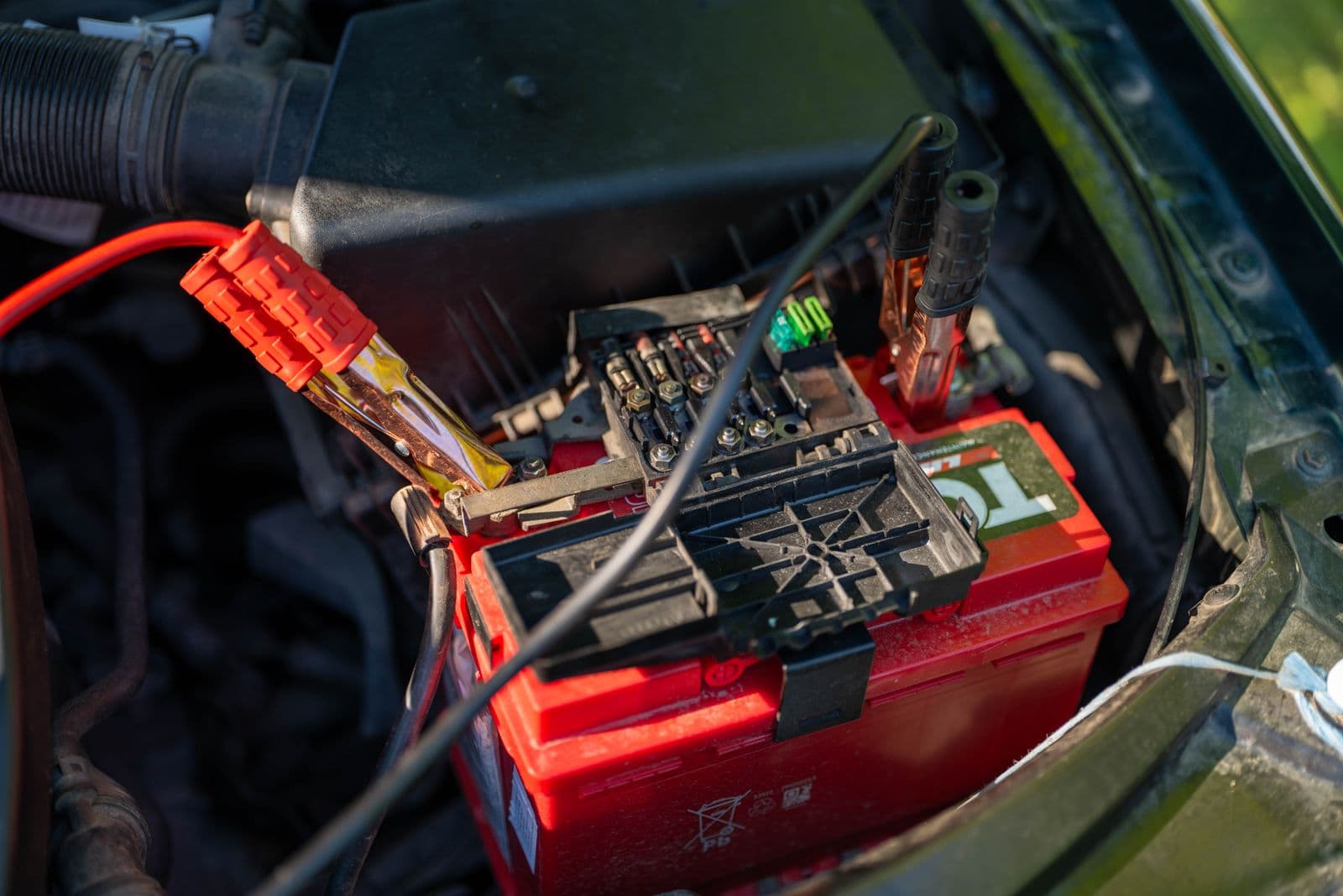
Some lighting faults are more serious. A headlamp that doesn't work, or one aimed out of limits, is a major defect. So is a battery that leaks, or one so loose it could fall or cause a short.
Visibility, which covers the windscreen, wipers and mirrors, caused a failing defect in 4.54% of tests. The AA's checklist includes wipers and washer fluid, and both are quick to sort.
Brakes, tyres and suspension: where the dangerous faults hide
These three categories cause fewer failures than lights, but they cause the serious ones. Each has a clear rule you can check against what a garage tells you.
Brakes
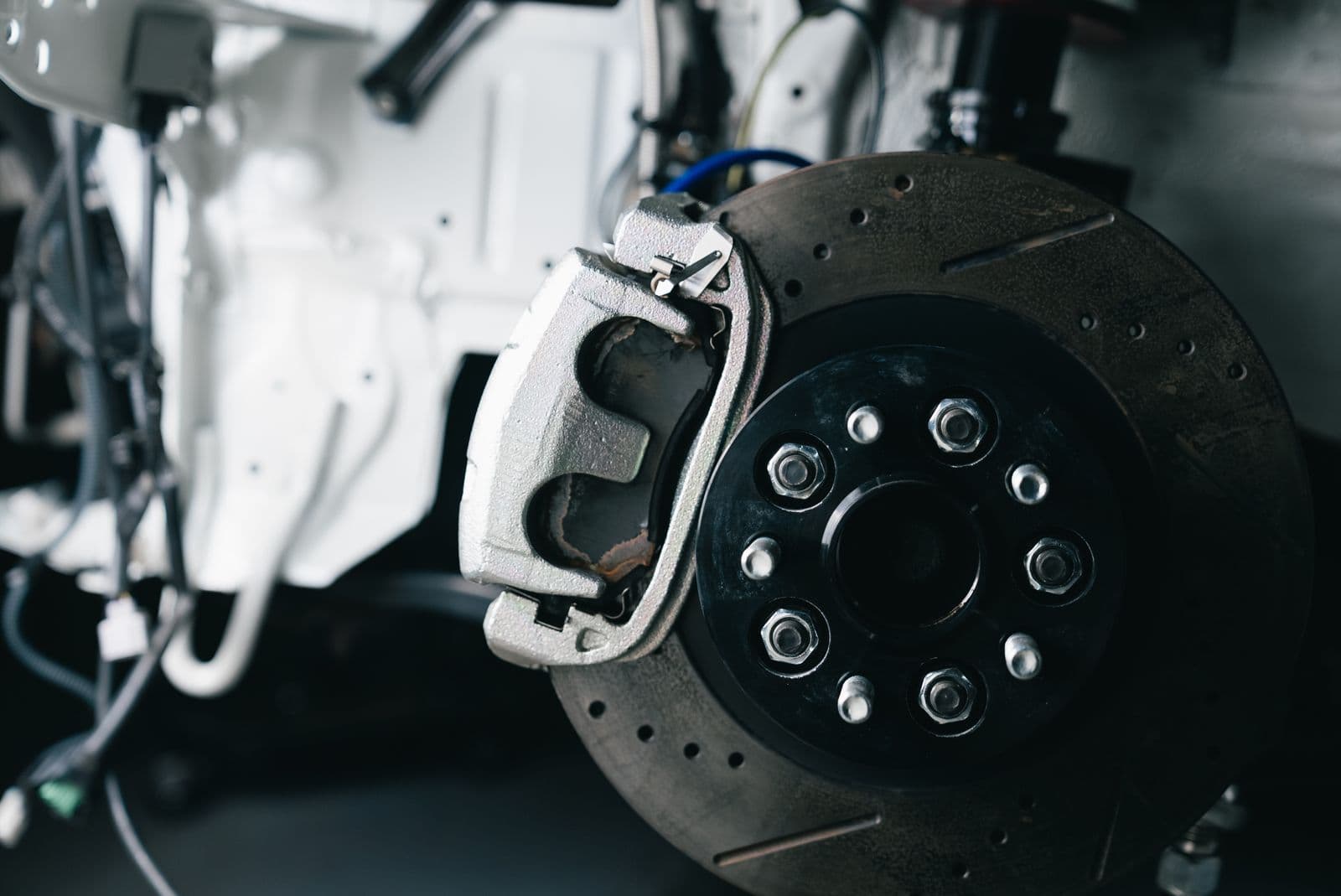
Brakes caused a failing defect in 6.63% of tests in 2024-25. Pads worn to the wear indicator are a major defect. Pads below 1.5mm are dangerous. A brake wear warning light on its own isn't a reason to fail. Discs that are significantly and obviously worn are major, as is brake fluid significantly below the minimum.
Bumper's 2026 averages for parts and labour are £120 to £140 for front pads and £110 to £130 for rear pads. Doing both costs £230 to £300. Pads typically last 30,000 to 70,000 miles, and city driving and heavy braking wear them faster.
Tyres
Tyres caused a failing defect in 6.39% of tests. The minimum tread depth is 1.6mm across the central three-quarters of the tyre, and anything less is a dangerous defect. A cut that reaches the ply or cord is a major defect. Garage Gaffer doesn't fit tyres, so see a tyre specialist for these.
Suspension and steering
Suspension is the second-biggest category, at 8.73% of tests in 2024-25. Steering caused 1.97%. Potholes are a common cause of suspension damage, and the RAC says repairs worse than a puncture can cost up to £590. Our guide to pothole damage in Bristol covers the warning signs and how to claim.
Emissions, smoke and the engine warning light
Noise, emissions and leaks caused a failing defect in 3.15% of tests in 2024-25. The rules are strict about the engine warning lamp, smoke and exhaust faults. A DPF is a filter that traps soot in a diesel exhaust.
- An engine warning lamp that is lit, or doesn't work, is a major defect. Our guide to the engine management light explains which cars it covers.
- Visible smoke of any colour from an exhaust fitted with a DPF is a major defect.
- Signs that a DPF has been tampered with are a major defect.
- An exhaust leak that could affect emissions is a major defect.
- Excessive exhaust noise is a major defect.
A DPF clears itself by burning off the soot it traps, and short stop-start trips can stop that. The AA's advice for a DPF warning light is to drive for about 10 minutes above 40mph when it's safe. If the light stays on, get help before the test.
If you drive a diesel in Bristol, remember the MOT and the Clean Air Zone are separate. The zone charges by a car's emissions standard, not by how healthy its engine is. See our guide to the Bristol Clean Air Zone. Under Exhaust & Emissions in the services list, you'll find exhaust repair, DPF cleaning and a pre-MOT emissions check.
Dangerous, major, minor, advisory: what do they mean?
A car fails if the result lists a dangerous or major problem. Minor and advisory items don't cause a fail.
| Result | Pass or fail? | Can you drive it away? |
|---|---|---|
| Dangerous | Fail | No. Repair it first. |
| Major | Fail | Only if your current MOT is still valid. |
| Minor | Pass | Yes. Worth fixing soon. |
| Advisory | Pass | Yes. Keep an eye on it. |
Driving with a dangerous defect can bring a fine of up to £2,500, a driving ban and 3 penalty points. If your MOT has run out, you can drive to or from a repair, or to a pre-arranged test. The car must still be roadworthy.
What happens if your car fails? Retests and repairs in Bristol
Get the faults fixed, then go back for a retest. The fee depends on where the repair happens and how quickly you return.
- Leave the car at the test centre for repair, and it's retested within 10 working days: partial retest, no fee.
- Take the car away and bring it back within 10 working days: partial retest, and you can be charged a partial fee.
- Return to the same centre by the end of the next working day: some items, such as lamps and mirrors, carry no new fee.
- Anything else: a full retest and a full fee.
If you have the repairs done elsewhere, take the car back to the test centre within 10 working days. That includes repairs at a Garage Gaffer partner garage. You may pay a partial fee.
Before you agree to any repair, ask the garage:
- Which defects caused the fail, and which are dangerous, major or advisory?
- What must be fixed for a retest, and what can wait?
- What does each repair cost in labour, and what do the parts cost?
To book the repair, enter your reg and postcode, choose the job and see your labour price. No card is taken at booking. Within 2 hours we confirm your booking and your vetted Bristol partner garage, and we send a separate parts quote if you need parts. Extra work only goes ahead if you agree. You pay once the work is done. See how it works for the full steps.
A 10-minute check before your MOT
Your first MOT is due by the third anniversary of registration. The maximum fee for a car is £54.85. A quick check beforehand catches the cheap failures.
- Check your tyre tread is above 1.6mm, and look for cuts or bulges.
- Test your headlamps, brake lights, indicators and number plate lamps.
- Replace worn wiper blades and top up the washer fluid.
- Clean your number plate so it's easy to read.
- Check that the horn and seatbelts work.
- Make sure there's enough fuel and oil in the car.
- Start the engine and check no warning light stays on.
A regular service is a good time to catch these things early. A service isn't an MOT, though. Our guide to car service costs in Bristol explains the difference.
Questions drivers ask
What are the most common reasons for an MOT failure?
Lamps, reflectors and electrical equipment come top, at 10.89% of tests in 2024-25. Suspension was next at 8.73%, then brakes at 6.63% and tyres at 6.39%. Tyres cause the most dangerous defects.
What percentage of cars fail the MOT?
In 2024-25, 28.08% of cars, vans and passenger vehicles with up to 12 seats failed first time. In April to June 2026, it was 26.75%. About 22.67% still failed after on-the-spot repairs in 2024-25.
What happens if my car fails its MOT? Can I still drive it?
You can drive it away only if your current MOT is still valid and the result lists no dangerous problems. Otherwise it must be repaired first. Driving with a dangerous defect can bring a fine of up to £2,500, a ban and 3 penalty points.
Do I have to pay again for a retest?
Not always. Leave the car at the test centre for repair and it's retested within 10 working days for no fee. If you take it away and return within 10 working days, you can be charged a partial fee. Otherwise you pay a full fee.
What's the difference between dangerous, major and minor MOT defects?
Dangerous and major defects fail the car. Dangerous means don't drive it until it's repaired. Minor and advisory items don't fail it, but they are worth fixing soon.
Will an engine warning light fail my MOT?
Yes. An engine warning lamp that is lit, or doesn't work, is a major defect. The rule covers petrol cars first used on or after 1 July 2003, and diesel cars first used on or after 1 July 2008.