In this article
- Can you keep driving with the engine management light on?
- What does a steady amber engine light usually mean?
- Why a flashing or red light means stop
- The light went off. Is the problem fixed?
- Will an engine management light fail your MOT?
- What does a diagnostic check involve, and what does it cost?
- Other warning lights drivers ignore
- Warning lights and driving in Bristol
The short version
- A steady amber light usually means a less serious fault. Get it checked soon.
- A flashing or red light means stop safely and call your breakdown provider.
- Resetting the light doesn't fix the fault, and the MOT still checks the lamp.
- An engine light that stays on is a major MOT defect, which means a fail.
- A standard diagnostic check typically costs £99 to £150 (Bumper, July 2026).
Can you keep driving with the engine management light on?
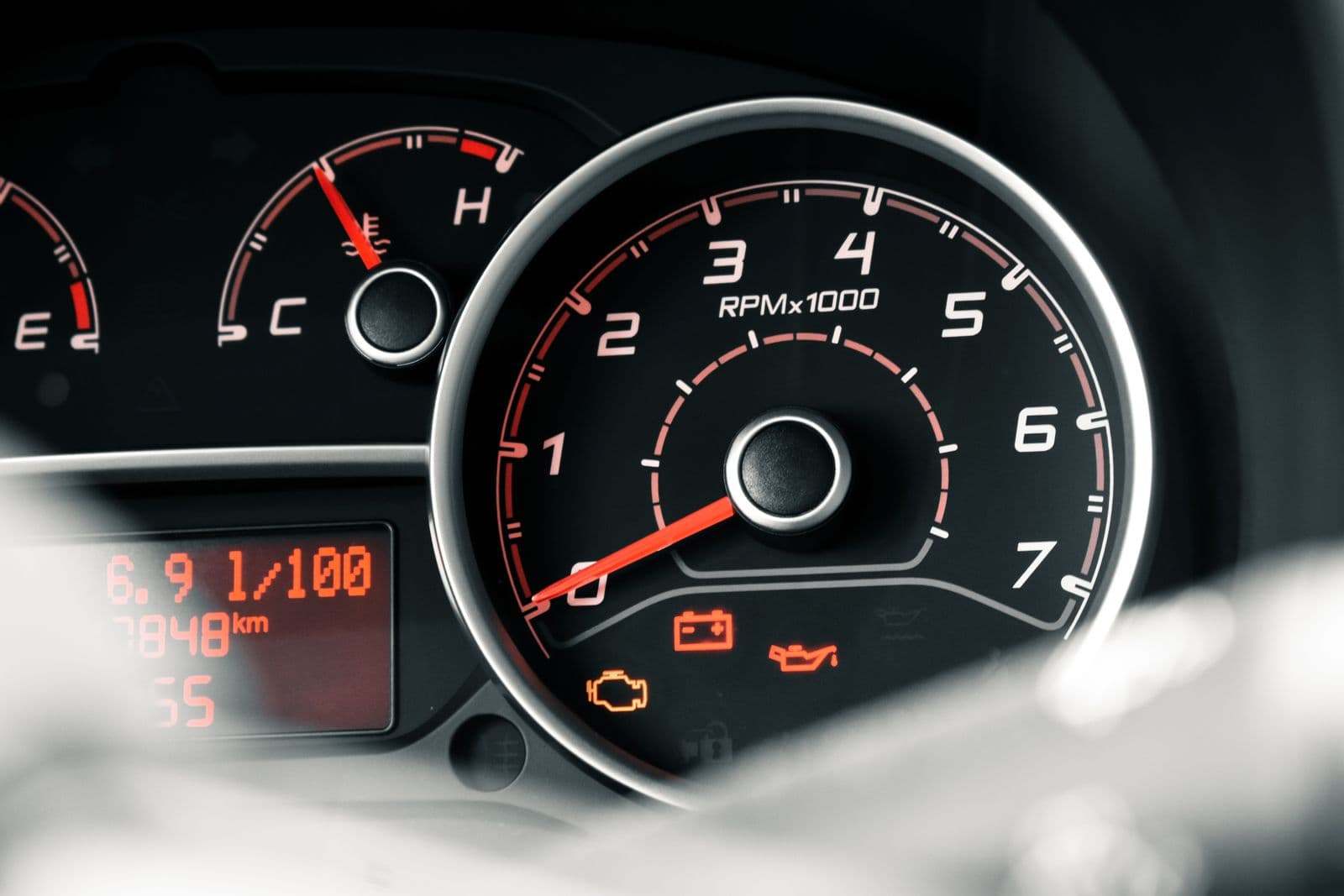
It depends on the light. With a steady amber light you can usually finish your journey, but you should get the car checked soon. With a flashing or red light, stop as soon as it's safe.
| Light | What it usually means | What to do |
|---|---|---|
| Steady amber | A less serious fault, usually linked to emissions. | Finish your journey and avoid hard acceleration. Book a check soon. |
| Flashing amber | A possible critical fault affecting the catalytic converter, the part that cleans exhaust gases. | Slow down and stop safely. Have a mechanic check it before you drive on. |
| Steady red | A critical fault. | Stop driving and call your breakdown provider. |
Plenty of drivers keep going because the car feels fine, which is common and risky. In a 2026 survey of 2,000 UK drivers for MoneySuperMarket, 31.7% had ignored a warning light for days. The engine light was the one ignored most often.
What does a steady amber engine light usually mean?
A steady amber light usually points to a fault in the emissions system. The AA lists several common causes, and most involve a sensor, a filter or an ignition part.
- An oxygen sensor fault can light the warning, because this sensor checks the fuel and air mix in your exhaust. A mix with too much or too little fuel can do the same.
- A blocked or faulty DPF can trigger it. The DPF is a filter that traps soot in a diesel exhaust. A blocked filter, or a fault in its pressure sensor, can set off the light.
- Mass airflow sensor problems are another cause. This sensor measures the air going into your engine, and a dirty or missing air filter is a common reason for trouble.
- Ignition faults on petrol cars, such as worn spark plugs or ignition coils, can cause misfires, and these may make the light flash.
- A loose oil dipstick can also trigger it, and it's an easy one to check yourself.
Low oil has its own warning light and rarely sets off the engine light. Only a diagnostic check can tell you which fault you have, because the light says something is wrong but not what.
Safe checks to make before you call a garage
- Park safely, switch off, and check the oil dipstick is pushed fully home.
- Look for any other warning light, such as oil, battery or temperature.
- Notice how the car drives, and whether it feels smooth, rough or short of power.
- Check for smoke from the exhaust or a strange smell.
None of these replaces a proper diagnosis, but they give the mechanic useful clues and help you judge how urgent the problem is.
Why a flashing or red light means stop
A flashing light means the problem could be critical. The AA says it could affect the catalytic converter, the part that cleans your exhaust gases, and driving on risks making the damage worse.
A steady red light is critical too, and red means act now whatever system it belongs to.
If the light flashes or turns red
- 01
Slow down and find a safe place
Use a lay-by, a side road or a car park if you can. Put your hazard lights on.
- 02
Switch off the engine
Don't keep driving to see if it clears.
- 03
Call your breakdown provider
Tell them which light came on and how the car felt.
- 04
Book a diagnostic check
Get the fault found and fixed before you drive again.
The light went off. Is the problem fixed?
Not necessarily. If the light comes on and goes off, the fault is usually intermittent, and it still needs a garage. The AA says restarting after about 2 minutes can clear a temporary fault. But the only guaranteed fix is a mechanic diagnosing and repairing the problem.
Can you reset the engine light yourself?
You can clear a light, but you can't clear the fault, so the light comes back if the fault is still there. A reset can also wipe stored information a mechanic would use, and the MOT still checks the lamp.
“A reset clears the light. It doesn't clear the fault.”
Will an engine management light fail your MOT?
Yes. The DVSA lists an engine malfunction lamp that is lit, or doesn't work, as a major defect. A car fails its MOT if the result lists a dangerous or major problem.
The lamp should come on when you switch the ignition on, then go out. The rule covers petrol cars first used on or after 1 July 2003. It also covers diesel cars first used on or after 1 July 2008. Hybrids are included.
The DVSA also lists two DPF fails: signs that the filter has been tampered with, and visible smoke of any colour from the exhaust. Both are major defects. Our guide to common MOT failures covers what else the test looks at.
What does a diagnostic check involve, and what does it cost?
A mechanic plugs a scanner into your car and reads the fault codes it has stored, then tests the parts those codes point to. A check typically takes 30 to 90 minutes.
| Type of check | Typical price |
|---|---|
| Basic fault code scan | £80 to £110 |
| Standard diagnostic | £99 to £150 |
| Advanced electrical diagnostics | £150 to £250 or more |
Prices vary between garages, so treat these as a guide. On Garage Gaffer, pick Fault Code Diagnostics or Warning Light Investigation from the services list. You see your labour price when you enter your reg. If the fault needs parts, we send a separate parts quote, and nothing extra goes ahead without your OK.
A good diagnosis ends with a clear answer, so before you agree to any repair, ask the garage:
- Which fault codes did you find, and what do they point to?
- How did you confirm the cause before suggesting a part?
- What does the repair cost in labour, and what do the parts cost?
- Is the fault urgent, or can it wait for a few weeks?
Other warning lights drivers ignore
The engine light isn't the only one that gets ignored. The service-due light came second in the MoneySuperMarket survey, behind the engine light. It's a reminder that your car is due a service, not a sign of a fault. If yours is on, see what a car service costs in Bristol.
| Light | Colour | What to do |
|---|---|---|
| Oil pressure | Red | The most serious if it comes on with the engine running. Stop safely and switch off. |
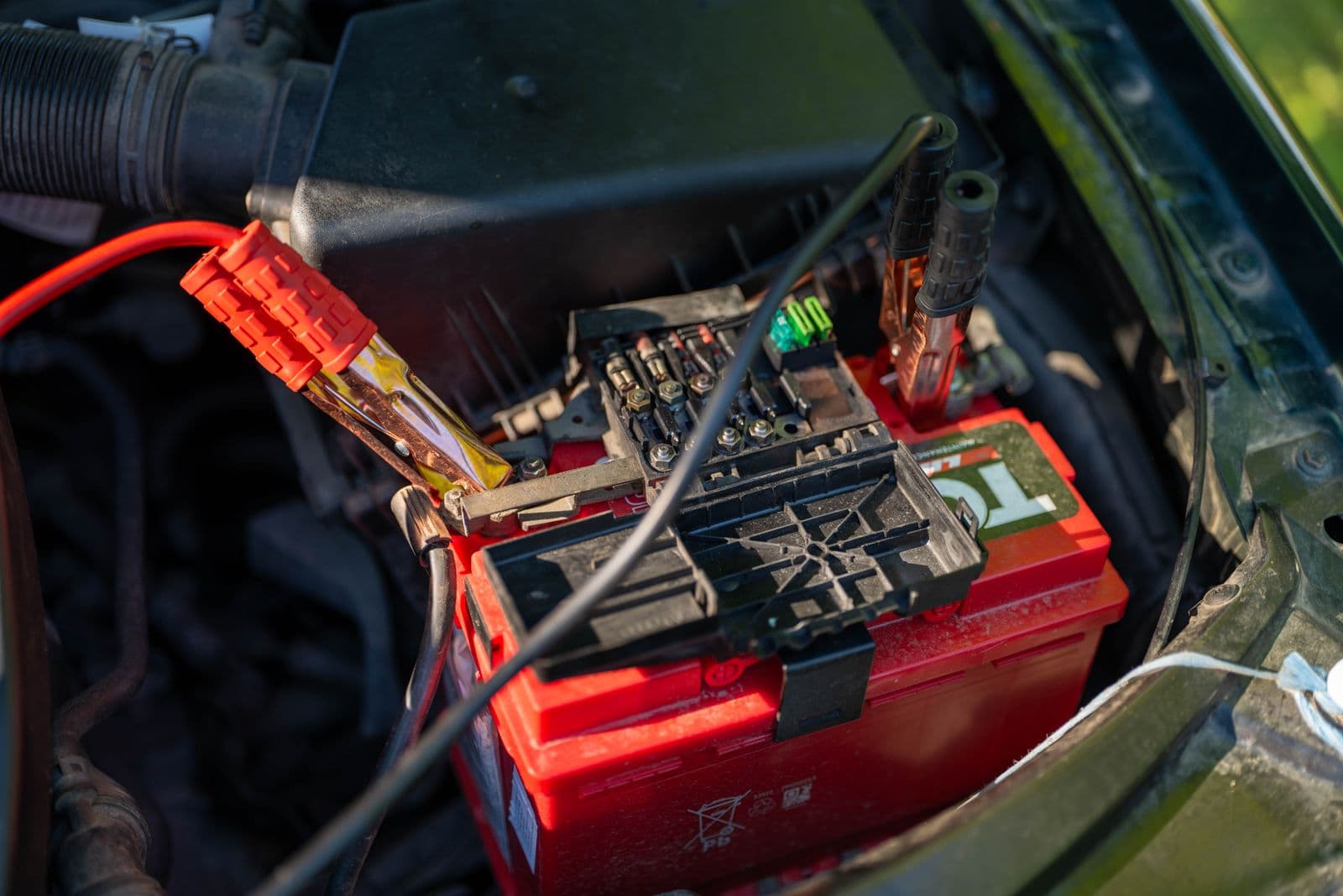
| Battery | Red | Stop safely and don't restart the engine. See our guide to car battery warning signs. |
| Any other red light, such as the brakes | Red | Stop safely and get advice. Red means immediate action. |
| ABS (anti-lock brakes) | Amber | Drive with extra care in wet or icy weather. Get it checked. |
| Tyre pressure | Amber | Check and inflate your tyres. If the light returns, you may have a slow puncture. |
| DPF | Amber | When it's safe, drive for about 10 minutes above 40mph. If the light stays on, get help. |
Warning lights and driving in Bristol
A DPF clears itself by burning off the soot it traps. That needs a sustained run, and short or stop-start trips can cut it short.
If a DPF light comes on, the AA's advice is to drive for about 10 minutes above 40mph when it's safe. If the light stays on, get help. Don't keep ignoring it, because a blocked filter can light the engine warning lamp, and a lit lamp fails an MOT.
If you drive a diesel in the city, read our guide to the Bristol Clean Air Zone. It explains why a healthy engine doesn't change whether you pay the charge.
Booking a check in Bristol
Garage Gaffer is a booking platform, so you enter your reg and postcode, see your labour price, and pick a date and time. We confirm the booking and your vetted partner garage within 2 hours. You drop the car off, and you pay after the work is done. See how it works for the full steps.
Questions drivers ask
What does the engine management light mean?
It means your car has found a fault in the engine or emissions system. The colour and behaviour of the light show how serious it is. Only a diagnostic check can tell you the exact fault.
Can I keep driving with the engine management light on?
If it's steady amber, you can usually finish your journey, but get it checked soon and avoid heavy acceleration. If it's flashing or red, stop safely and contact your breakdown provider. The AA says not to drive more than another couple of miles.
Will the engine management light fail my MOT?
Yes. A lamp that is lit, or doesn't work, is a major defect, and a major defect is a fail. The rule covers petrol cars first used on or after 1 July 2003, and diesel cars first used on or after 1 July 2008.
How much does a diagnostic check cost?
Bumper's July 2026 guide puts a standard diagnostic at £99 to £150, and a basic fault code scan at £80 to £110. Prices vary between garages. On Garage Gaffer, you see your labour price when you enter your reg.
Why did the engine light come on and then go off?
A light that cycles on and off points to an intermittent fault, and the AA says it still needs a garage. A restart after about 2 minutes can clear a temporary fault. Only a mechanic's diagnosis guarantees a fix.
Can I reset the engine light myself?
You can clear the light, but not the fault, so the light returns if the fault remains. A reset can also wipe stored information a mechanic would use. The MOT still checks the lamp.